
Manual Winding vs. Automatic Winding: The Heartbeat of Mechanical Watches
In mechanical watchmaking, the winding mechanism serves as the heart that powers time itself. Manual winding and automatic winding systems each carry a rich heritage and distinct allure, making them enduring favorites among enthusiasts. This article explores their differences, advantages, drawbacks, and the key factors to consider when choosing between the two.
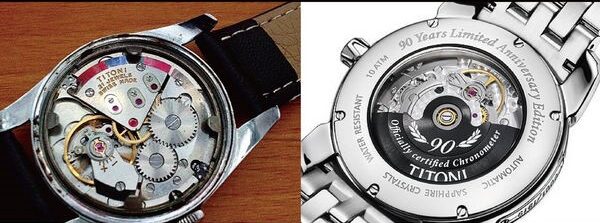
Basic Principles and Historical Origins
“Manual winding” represents the earliest form of mechanical watchmaking, tracing back to the pocket watches of the 16th century. The wearer must turn the crown daily or at regular intervals to store energy in the mainspring, which then powers the gear train. This intimate, hands-on process captures the purest essence of traditional horology.
“Automatic winding”, first introduced in the 1920s by British watchmaker John Harwood and later refined by Rolex, relies on a semi-circular rotor that moves with the wearer’s wrist. This motion winds the mainspring automatically, delivering the effortless convenience of ‘wear it and it winds.
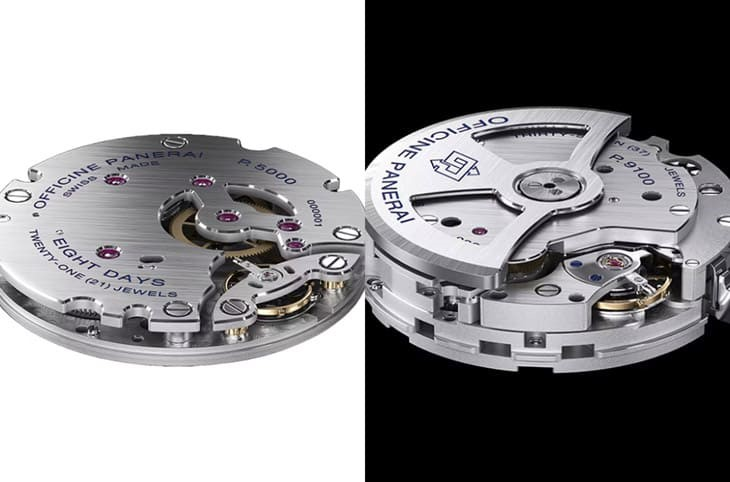
Pros and Cons Analysis
Manual Winding
Advantages:
- Streamlined design: Without a rotor and its associated parts, the movement can be slimmer, offering a clearer view of the mechanism.
- A ritual of connection: Daily winding becomes a meaningful interaction with the timepiece, instilling a sense of discipline and appreciation for time.
- Easier upkeep: Fewer components generally mean fewer potential points of failure, simplifying maintenance.
- Heritage appeal: Upholds the purest traditions of watchmaking—a quality deeply valued by collectors.
Disadvantages:
- Requires regular winding: If neglected, the watch will stop running.
- Less convenient: Not ideal for fast-paced lifestyles or for those who frequently rotate between multiple watches.
- Risk of overwinding: While most modern manual watches include overwinding protection, a degree of caution is still recommended.
Automatic Winding
Advantages:
- Effortless convenience: Daily wear keeps the watch running, perfectly suited for modern lifestyles.
- Continuous power: With sufficient wrist movement, it operates without manual intervention.
- Showcase of innovation: The intricate rotor mechanism highlights the evolution of watchmaking craftsmanship.
Disadvantages:
- Thicker profile: The rotor adds bulk, which may affect comfort and how it fits under clothing.
- Potential noise: Some mechanisms produce a faint sound when the watch is shaken.
- Complex servicing: The added components require greater expertise during maintenance.
Key Considerations When Choosing
1. Lifestyle & Wearing Habits
- Daily wearers: Automatic winding offers convenience, reducing the need for manual winding.
- Watch rotators: If you frequently switch between multiple watches, manual winding may be preferable, as automatics stop when unworn.
- Those who value ritual: Manual winding provides a tactile, daily connection with your timepiece.
2. Aesthetic Preferences
- Slim design enthusiasts: Manual movements are typically thinner, ideal for dress watches and comfort.
- Movement admirers: Manual calibers often reveal more of the mechanism, showcasing fine finishing.
- Fans of technical beauty: The rotor’s motion in automatics is itself a display of mechanical artistry.
3. Budget Factors
- Entry-level options: Automatic winding is more common in accessible mechanical watches.
- High-end horology: Both types have iconic masterpieces, with pricing driven by brand, craftsmanship, and complications.
4. Collectability
- Historical significance: Certain classics and complications (like ultra-thin or minute repeaters) favor manual winding, enhancing collectible value.
- Practical appeal: Automatics dominate everyday wear, often offering better market liquidity.
Modern Innovations and Blurring Boundaries
Advancements in watchmaking have narrowed the gap between manual and automatic winding:
- Extended power reserves: Many manual watches now offer 7 days or more of autonomy, reducing the need for frequent winding.
- Bi-directional winding systems: Enhance efficiency in automatic movements.
- Manual override: Most automatics retain manual winding capability for added flexibility.
- Compact rotor designs: Innovations like micro-rotors allow automatic movements to remain slim and elegant.
Conclusion
Choosing between manual and automatic winding is ultimately a dialogue between heritage and convenience. Manual winding embodies the roots of horology, returning control of time to the wearer; automatic winding reflects the evolution of mechanics, adapting seamlessly to modern life.
Perhaps the ideal approach is to embrace both—an automatic for effortless weekdays and a manual for weekends when you wish to savor tradition. This way, you experience the dual charm of mechanical timepieces.
In the end, what truly matters is the intimate connection with precision mechanics and the sensation of time flowing through your hands—this is the enduring value of a mechanical watch.

 English
  French
  German
  Italian