
Complete Guide to Dealing with Scratches on Watches, Daily Maintenance, and Precautions
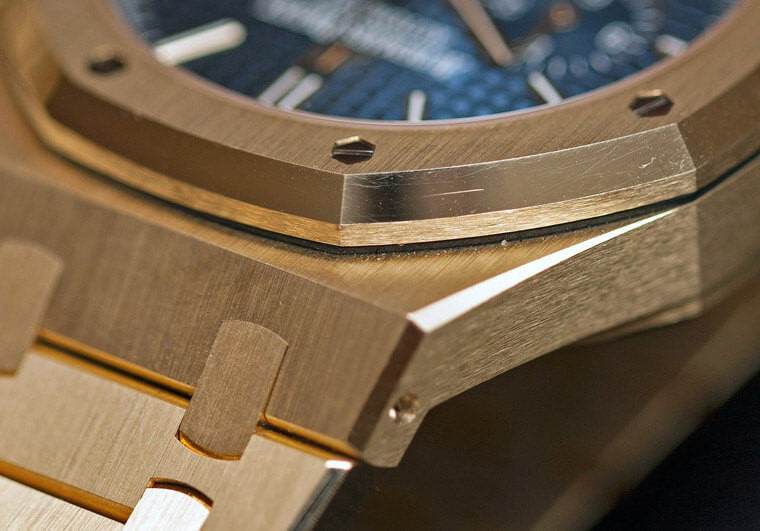
How to Handle Scratches on Your Watch
DIY Fixes for Light Scratches
If your watch crystal or case has minor scratches, try these simple methods:
1. Toothpaste Technique (Best for Mineral Glass Crystals)
- Use plain white, non-gel toothpaste—avoid formulas with abrasive particles.
- Apply a small amount to a soft cloth and gently polish the scratch in a circular motion.
- Continue for 2–3 minutes, then wipe clean with a damp cloth to check progress.
- Repeat as needed until the scratch appears less noticeable.
2. Baking Soda Paste
- Mix baking soda and water in a 2:1 ratio to create a smooth paste.
- Gently rub the scratched area in circular motions.
- This method is milder than toothpaste and works well for very fine scratches.
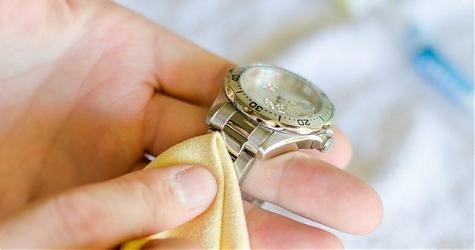
3. Professional Polishing Cloth
- Invest in a specialized polishing cloth (e.g., Cape Cod cloth).
- Follow the instructions to gently buff the scratched surface.
- Ideal for stainless steel, gold, and other metal cases.
Professional Solutions for Deep Scratches and Serious Damage
For significant scratches or watches made from specialized materials, professional intervention is strongly recommended:
1. Expert Polishing Services
- Skilled watchmakers use precision tools for localized or full-case polishing.
- Important: Polishing removes a thin layer of metal, so it should be done sparingly.
- Complex case designs or special coatings require advanced techniques and expertise.
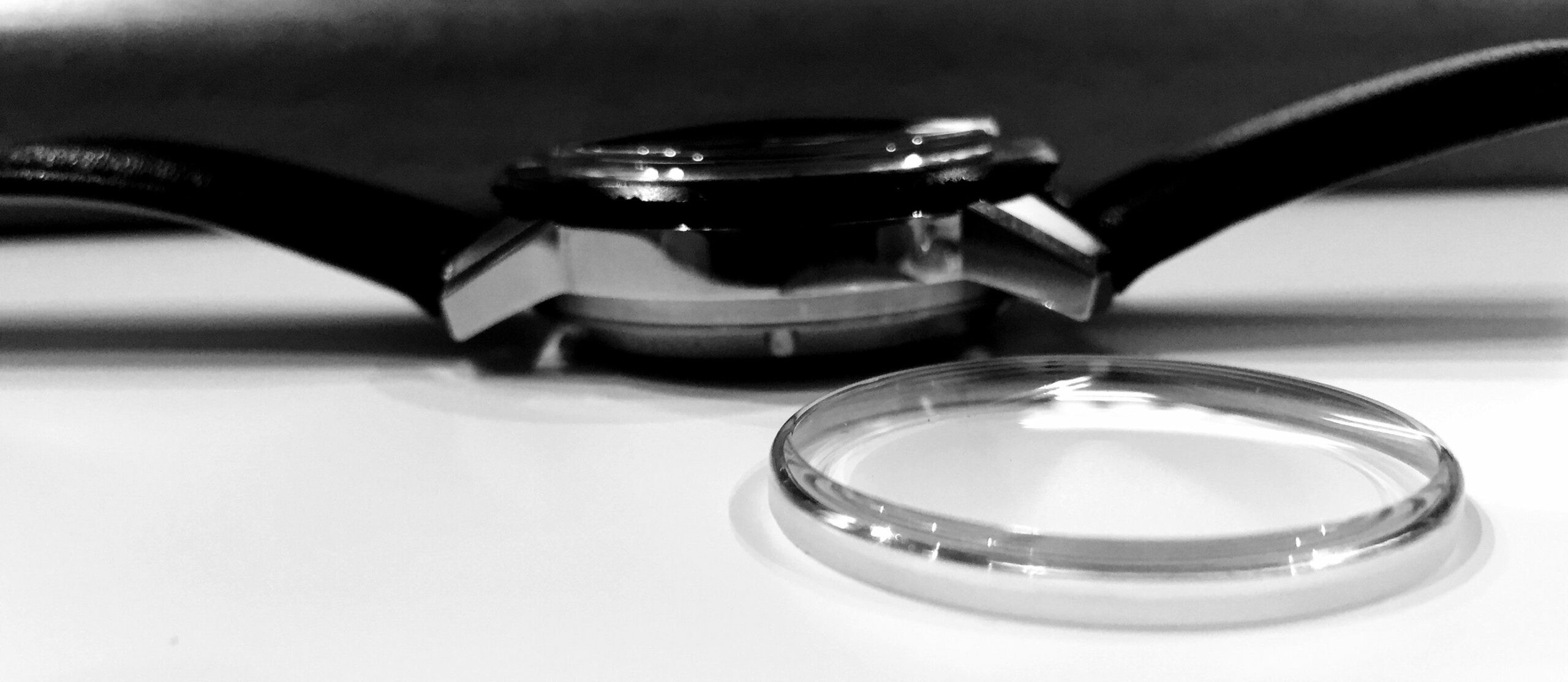
2. Crystal Replacement
- Sapphire crystals are highly scratch-resistant, but if damaged, replacement is usually the only option.
- For deep scratches on mineral glass, replacing the crystal is often more cost-effective than repair.
- Always ensure the waterproof gasket is replaced during the process to maintain water resistance.
3. Specialized Material Care
- Ceramic cases: Scratches are difficult to fix and often require professional polishing or part replacement.
- PVD coatings: Hard to restore perfectly; professional evaluation is essential.
- Titanium: Requires specialized polishing techniques due to its unique properties.
Daily Maintenance Guide
Essential Cleaning Steps
- Regular Wipe-Down: Every 1–2 weeks, gently clean the case and strap with a soft, slightly damp cloth.
- Metal Bracelet Care:
- Use a soft-bristled toothbrush and mild soapy water to clean between links.
- Rinse thoroughly with clean water and dry immediately with a soft cloth.
- Leather Strap Care:
- Avoid water exposure; if wet, blot dry immediately.
- Apply leather conditioner periodically to maintain suppleness.
- Crystal Cleaning: Use a microfiber or dedicated soft cloth, wiping in one direction for a streak-free finish.
Storage & Preservation
- Short-Term:
- Store in a dry, non-magnetic environment.
- Use a padded watch box to prevent scratches.
- Long-Term:
- Manually wind mechanical watches monthly to keep the movement active.
- Remove batteries from quartz watches to prevent leakage.
- Maintain moderate humidity (40–60%) in the storage area.
Professional Maintenance Schedule
- Daily: Wipe after wearing; check for visible damage.
- Monthly: Verify timekeeping accuracy; adjust if deviations occur.
- Annually: Perform water-resistance testing and external inspection.
- Every 2–3 Years: Replace quartz watch batteries.
- Every 3–5 Years: Full service for mechanical watches (cleaning, lubrication, adjustment).
- Every 5–8 Years: Replace waterproof gaskets, even if rarely exposed to water.
Conclusion
Caring for a watch is a long-term commitment. Don’t wait for scratches or performance issues—start with consistent daily care. Understand your watch’s materials, water resistance, and movement type, and apply tailored maintenance practices to keep it looking and performing like new.
For high-value or sentimental pieces, consult a professional watchmaker when in doubt. Proper care not only extends your watch’s lifespan but ensures every wear feels flawless.

 English
  French
  German
  Italian