
Watch Water Resistance Explained: More Than Just Waterproofing – A Test of Structure and Craftsmanship
In today’s watchmaking industry, water resistance is more than just a practical feature—it’s a hallmark of craftsmanship. But many consumers still wonder: Does a watch labeled ‘Water Resistant 30m’ truly withstand diving at 30 meters? This article explores the science behind water resistance, the testing standards used, and key considerations for everyday wear.
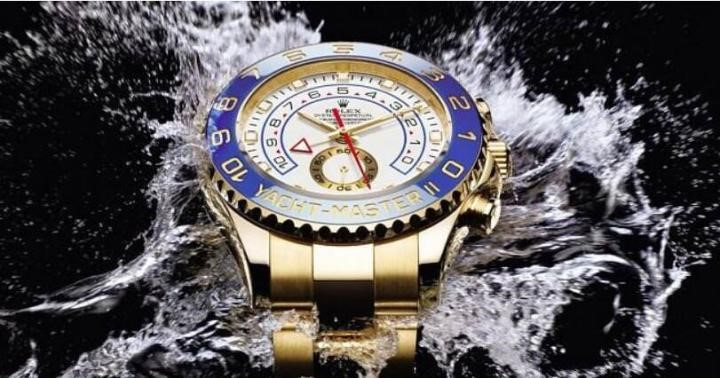
Understanding Water Resistance: Precision in Every Detail
The water resistance of a watch depends on several critical structural components:
- Gaskets and Seals – Usually crafted from rubber, silicone, or Teflon, these are positioned between the crown, case, and crystal to prevent water ingress.
- Screw-down Crown – A threaded design that transforms external pressure into a tighter seal for enhanced protection.
- Monobloc Case Construction – A single-piece case that minimizes seams and reduces potential entry points for water.
- Helium Escape Valve (found in professional dive watches) – Allows pressure equalization during deep-sea dives to prevent damage.
Decoding Water Resistance Ratings: The Truth Behind the Numbers
Watch water resistance is often indicated in “ATM,” “meters,” or “bar,” but these numbers can frequently be misleading:
| Rating | Static Pressure | Suitable Real-World Activities | Important Notes |
| 3 ATM / 30m | Pressure equivalent to 30m depth | Daily water resistance, hand washing, rain | Not suitable for swimming, bathing |
| 5 ATM / 50m | Pressure equivalent to 50m depth | Swimming, shallow water activities | Not suitable for diving, hot showers |
| 10 ATM / 100m | Pressure equivalent to 100m depth | Snorkeling, water sports | Suitable for pool swimming |
| 20 ATM / 200m | Pressure equivalent to 200m depth | Professional water activities, diving | Suitable for most recreational diving |
| 30 ATM+ / 300m+ | Pressure equivalent to 300m+ depth | Technical diving, professional use | Usually equipped with a helium escape valve |
Important Reminder: The “meter” rating refers to laboratory testing under static pressure. In real-world use, the dynamic pressure generated by arm movements can far exceed the static test value.
Water Resistance Testing: Uncompromising Quality Standards
Before a watch leaves the factory, it undergoes a series of stringent tests to ensure reliability:
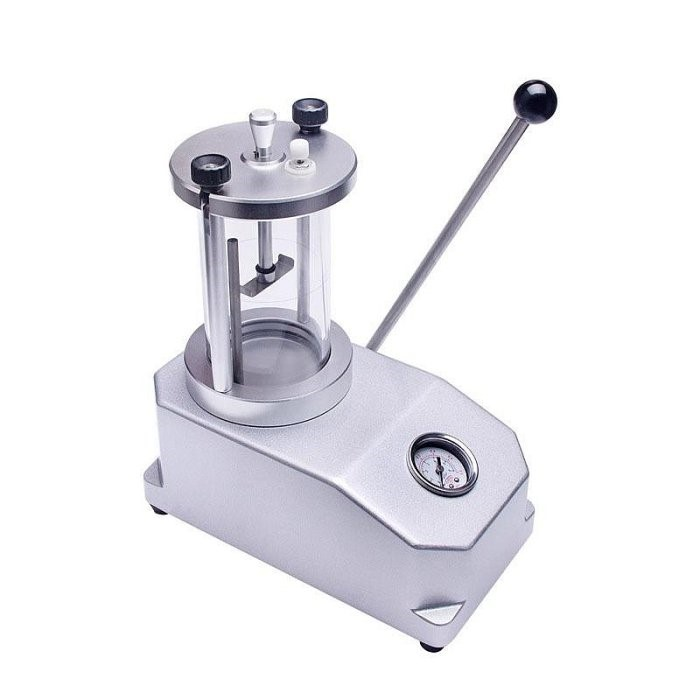
- Dry Test – The watch is placed in a vacuum chamber to detect pressure variations caused by potential leaks.
- Wet Test – The watch is pressurized and submerged in water to check for escaping bubbles.
- Condensation Test – The watch is heated and then cooled to reveal any condensation inside the crystal.
- Pressure Cycle Test – Simulates real-world pressure fluctuations to confirm long-term durability.
For dive watches, the International Organization for Standardization (ISO 6425) sets rigorous requirements, including:
- Pressure testing at 125% of the rated depth
- Thermal shock resistance with 40°C temperature variations
- Additional tests for saltwater corrosion, magnetic field exposure, and more.
Daily Care and Maintenance Tips
Even the most water-resistant watch needs proper handling and upkeep:
Things to Avoid
- Hot baths or saunas – Extreme temperature changes can damage seals.
- Operating the crown or pushers underwater – This compromises the seal and invites water ingress.
- Exposure to chemicals or cosmetics – These can degrade gaskets and finishes.
- After seawater use – Rinse thoroughly with fresh water to prevent corrosion.
Routine Maintenance
- Water resistance check – Every 1–2 years to ensure integrity.
- Seal replacement – Every 3–5 years, as rubber components naturally deteriorate.
- Post-impact or repair – Always recheck water resistance after shocks or servicing.
Conclusion: Water Resistance—A Masterpiece of Engineering
Water resistance isn’t a single feature; it’s the result of meticulous case design, advanced materials, precision manufacturing, and rigorous testing. When selecting a watch, focus on your actual needs rather than chasing high depth ratings—and remember, “water-resistant” doesn’t mean invincible. Proper usage and regular maintenance are key to preserving performance.
Whether it’s a daily-wear timepiece or a professional dive watch, its water resistance reflects the watchmaker’s commitment to detail—creating a miniature fortress that defies the elements. It’s the perfect harmony of mechanical artistry and modern technology.

 English
  French
  German
  Italian